
INTERCARGO publishes first standard guidelines for dry bulk STS transfers
STS operations are increasing due to port and draft limitations.
INTERCARGO has released the first dedicated industry guidelines for ship-to-ship (STS) transfers in the dry bulk sector, addressing a long-standing lack of standardisation in these operations.
STS transfers are increasingly used in dry bulk shipping, especially in regions where ports cannot handle large vessels due to draft limits, infrastructure constraints, or cargo volumes.
The practice is expected to grow further as global trade patterns shift.
Unlike tanker shipping, where STS operations follow established industry guidance, the dry bulk sector has operated without a unified framework despite greater variability in cargo types and operating conditions.
The new guidelines introduce structured procedures covering planning, risk assessment, vessel manoeuvring, fendering, cargo handling, and emergency response.
They also include operational checklists and defined responsibilities to improve consistency and safety during at-sea transfers.
INTERCARGO said the framework reflects real operational conditions, including higher complexity, more personnel involvement, and reduced margin for error during changing sea conditions.
John Xylas, Chair of INTERCARGO said, STS transfers are already widely used and increasing, but the industry lacked a consistent standard for safe execution. “As STS becomes more widely used, we expect to see greater alignment across operators, charterers, insurers and regulators, so that a more consistent approach becomes the norm for dry bulk operations.”
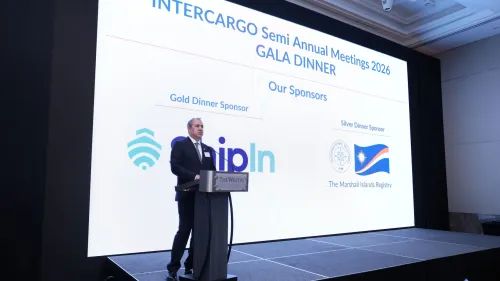
The guidelines were presented at INTERCARGO committee meetings in Singapore, where industry stakeholders also discussed safety, decarbonisation, vetting, port state control, and operational standards.
INTERCARGO said the goal is to improve clarity, consistency, and safety in dry bulk STS operations, with future adoption expected to determine how quickly the standard is implemented globally.