
Marine disruptions cost consumer goods $12b annually
Each logistics failure costs about $680,000.
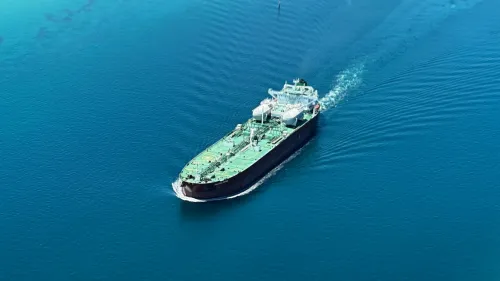
Marine supply chains are costing the consumer goods sector over $12b a year, as widespread disruptions across shipping and logistics networks mount, according to a global study by DP World.
Over the past three years, 80% of brands reported being affected by geopolitical events, 86% by port congestion, 87% by technology failures, and 91% by climate-related delays.
Each logistics failure incurs an average cost of $680,000. In years marked by disruption, companies lose more than a month of productive time as teams focus on stabilising supply chains.
The knock-on effects extend beyond operations. Three-quarters of cargo owners reported an increase in customer complaints following disruptions, 68% have lost business or contracts, 56% say their brand image suffered, and 52% reported strained relationships with supply chain partners.
As disruptions become more frequent and visible, customer expectations are shifting. Reliability is emerging as a key factor in brand trust, with companies linking supply failures directly to lost customers and damaged contracts.
Despite this, confidence amongst cargo owners remains high. The study found that 91% believe they can scale their operations efficiently, 88% say delivery performance sets them apart from competitors, and 87% describe their operations as agile.
The data, however, points to a gap between perception and performance. More than half (53%) of companies lose over a month of productive time during disrupted years, and a third take longer than a month to recover.
Whilst 94% cite visibility as a major challenge, only 27% rank visibility improvements as a top investment priority. Just 39% invest in formal risk management or resilience planning.
There are indications this approach may be changing. Three-quarters of companies expect to increase logistics investment over the next three years.
Spending on automation and artificial intelligence is also set to rise, with 65% planning increased investment within the next 12 months and 85% within three years.
Companies already investing across four or more logistics areas report disruption costs that are 76% lower than those with fewer investments.
Brands that focus on anticipatory, data-driven capabilities are better positioned to reduce disruption-related losses and improve reliability, which 78% say is critical to retaining customers.