
Vietnam and Philippines draft port waste plans to curb marine litter
More than 90 maritime stakeholders joined workshops to shape national waste frameworks.
Vietnam and the Philippines are developing national port waste management plans, the International Maritime Organization (IMO) said, in a bid to prevent marine plastic litter from sea-based sources.
The draft plans set out a framework to improve port reception facilities, define roles and responsibilities, strengthen coordination, and promote environmentally sound waste management.
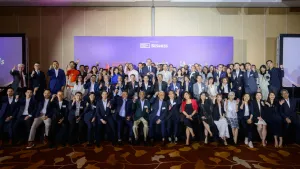
More than 90 participants attended capacity-building workshops held in Ha Long, Vietnam, on 6–7 July and in Manila on 9–10 July, where they contributed to the development of the plans.
The workshops covered the requirements of MARPOL Annex V, IMO guidance, and international best practices for managing ship-generated waste.
Presentations and discussions highlighted the importance of cooperation amongst maritime authorities, port operators, local governments, and waste service providers to ensure ship-generated waste is managed safely and does not enter the marine environment.
During the workshops, participants reviewed existing waste management practices, identified gaps and challenges, and developed recommendations to improve waste reception and handling at ports.
In Vietnam, participants visited Quang Ninh Port and Cai Lan International Container Terminal to assess existing port reception facilities and discuss potential improvements.
In the Philippines, participants visited the Port of Manila to review waste reception arrangements, discuss operational challenges, and explore practical measures to support implementation of the draft port waste management plan.
Participants represented national and local government agencies, maritime administrations, port authorities, environmental institutions, waste management companies, academia, and other stakeholders.
The activities formed part of the RegLitter Project, funded by the Ministry of Oceans and Fisheries of the Republic of Korea.
The project falls under the OceanLitter Programme, which the IMO and the Food and Agriculture Organization jointly implement.