
Phased retrofits offer lowest-cost IMO compliance for small bulk carriers
ClassNK study finds step-by-step upgrades beat fuel switching.
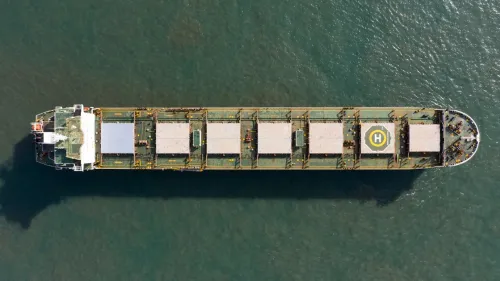
Small- and medium-sized bulk carriers can meet tightening International Maritime Organization (IMO) emissions requirements through phased retrofits without switching propulsion systems, according to research published in ClassNK Technical Journal No.12. The findings are relevant as such vessels account for nearly 80% of bulk carriers by vessel count and more than 40% of global bulk deadweight, with over 99% still operating on conventional fuels.
The study assessed carbon-reduction strategies using a 10-year-old KAMSARMAX bulk carrier, with results validated against an 11-year-old ULTRAMAX bulker. It found that speed reduction alone can maintain a Class C CII rating only until 2029, before deteriorating to Class D in 2030, indicating that operational measures are insufficient over a vessel’s remaining life.
Several retrofit options were evaluated. Low-resistance silicone coatings combined with propeller optimisation delivered an estimated 11% energy-saving effect at a cost of about US$0.7m. Three rotor sails achieved around 9% savings but required approximately US$5m. An onboard carbon capture and storage system provided a fixed 30% capture rate at an estimated cost of US$6m, whilst biofuel blending reduced emissions depending on ratios, with minimal retrofit costs.
CII outcomes varied across measures. All retrofit cases maintained Class C or better, whilst vessels fitted with carbon capture systems achieved Class A ratings in every assessed year. Despite higher upfront costs, cumulative CCS costs fell below those of rotor sail installations by 2030, the study showed.
Biofuel-only pathways required sharply rising blend ratios over time, reaching levels the study described as economically unattractive under current assumptions. Renewable methanol retrofits also resulted in higher cumulative costs than combined retrofit approaches.
The study concluded that no single measure satisfies IMO decarbonisation requirements both technically and commercially. A step-by-step retrofit strategy, prioritising technologies with clear emissions reductions and manageable lifecycle costs, offers the most practical compliance pathway for small- and medium-sized bulk carriers.