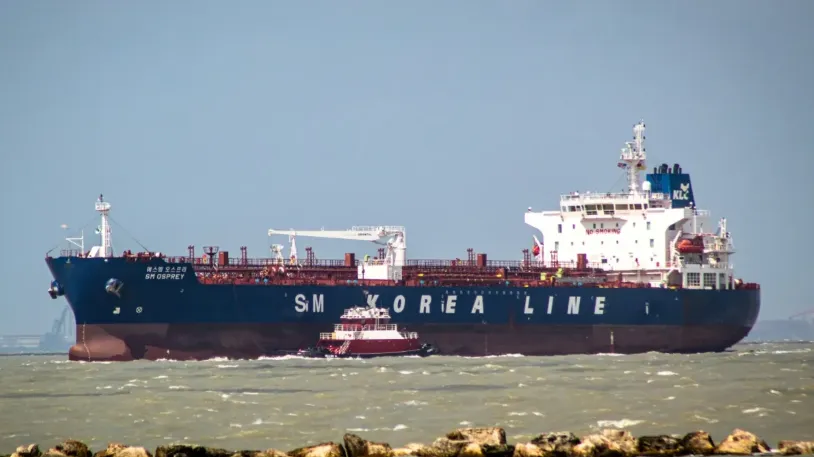
Strait of Hormuz disruptions sink energy transits by 95%, report says
A UN report revealed daily ship counts crashed to only 6 in March from 130 in February.
Energy ship transits dropped to just 6 per day in March from around 130 per day in February, a staggering collapse of about 95%, according to a UN Trade and Development report.
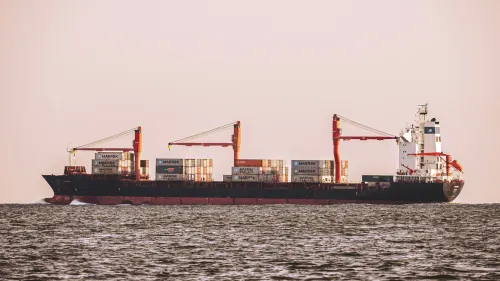
Oil and liquefied natural gas carriers, which rely heavily on the Strait of Hormuz route, have been hit the hardest, facing reduced volumes and higher risk costs.
According to the report, if disruptions persist, damage to energy infrastructure could keep prices elevated, prolonging inflationary pressures.
Regions more dependent on Middle East energy imports, particularly South Asia and Europe, would be more exposed.
Moreover, the disruption is also spilling over into transport systems, including maritime routes, air cargo and port logistics.