Singapore tops world maritime city rankings for seventh straight time
It led in shipping, ports and logistics, and attractiveness and competitiveness.
Singapore retained its position as the world’s leading maritime city in the 2026 Leading Maritime Cities (LMC) report by DNV and Menon Economics.
This marks the seventh consecutive edition in which Singapore topped the rankings.
The city kept its lead in three of the five pillars assessed in the report: shipping, ports and logistics, and attractiveness and competitiveness. The other two pillars are maritime finance and law, and maritime technology.
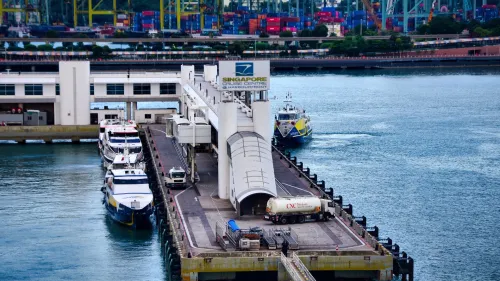
Singapore is home to over 200 international shipping groups and a wide range of maritime service providers.
Its maritime ecosystem is supported by its position as one of the world’s busiest ports, connected to more than 600 ports worldwide.
In 2025, the Port of Singapore handled a record of about 44.7 million twenty-foot equivalent units in container throughput and 3.22 billion gross tonnage in vessel arrivals.
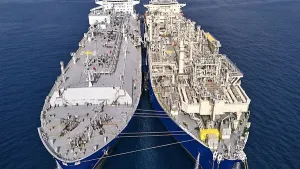
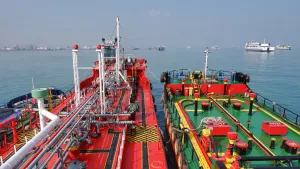
Singapore is also the world’s largest bunkering port, with marine fuel sales reaching a record 56.77 million tonnes.
“Singapore’s strength as a maritime city lies in how our port, connectivity, maritime services, and talent come together to support businesses,” said Ang Wee Keong, chief executive of the Maritime and Port Authority of Singapore.
“Companies choose Singapore not only for these capabilities, but also for the opportunities to connect with partners, develop new solutions, and grow their businesses,” he added.
The LMC report benchmarks leading maritime cities based on objective indicators, including shipping activity, port performance, and maritime business services, as well as assessments by maritime industry experts worldwide.