Extreme weather looms over 15% energy shipping growth, IEA says
The disruption forces vessels to take longer routes.
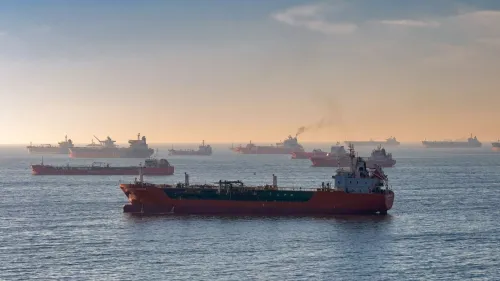
International shipping for oil and natural gas is projected to grow by more than 15% by 2035; however, extreme weather conditions pose significant challenges.
According to the International Energy Agency (IEA), these weather events can damage critical infrastructure, disrupt major trade routes and threaten energy security.
In 2024, around 40% of global crude oil supply, 30% of petroleum products and 15% of natural gas supply were shipped via sea.
IEA noted that hazards vary by region, with all tanker-handling ports in Japan, Korea and China exposed to a tropical cyclone at least once in 500 years on average.
On average, IEA said tanker-handling ports experience about 1.5 days of downtime each year due to extreme weather.
The report also emphasised that such disruptions force vessels to take longer routes, increasing transport costs, fuel consumption and emissions, or temporarily halt flows.
Against this backdrop, the IEA said stakeholders should integrate extreme-weather risks into national energy security planning and diversify energy sources and supply chains.
It also calls for stronger international cooperation and information sharing to support coordinated responses to disruptions.