Philippines assesses gaps in maritime GHG regulations
Review aligns with the MIDP 2028 goal of promoting a sustainable maritime industry.
The Philippines is reviewing gaps in its maritime regulations and implementation measures as it seeks to strengthen efforts to reduce greenhouse gas (GHG) emissions from ships, the Maritime Industry Authority (MARINA) said.
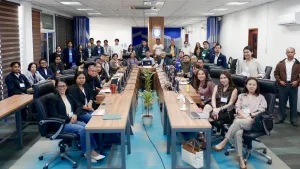
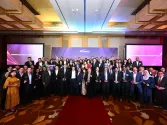
A national task force workshop brought together industry stakeholders to review findings and recommendations from the SMART-C GHG Project's Regulation Gap Analysis and Implementation Appraisal Reports. These will inform policy development and implementation measures for maritime decarbonisation.
MARINA Officer-in-Charge Administrator RAdm Loumer P Bernabe, PN (Ret.) said regulations and policies must be matched with a workforce capable of responding to the maritime industry's transition to greener technologies and operations.
Bernabe stressed that seafarers must have the appropriate knowledge, competencies, and skills to meet emerging requirements.
Meanwhile, Engr. Ramon C. Hernandez, Director II of the Overseas Shipping Service and the SMART-C Project's country lead, urged participants to contribute their technical expertise and industry experience.
Hernandez said their inputs would help ensure that the recommendations are comprehensive, actionable, and grounded in actual operating conditions.
The workshop will help finalise the Philippines' national position and establish a lasting framework for maritime GHG reduction, he added.
The initiative supports the Maritime Industry Development Plan 2028, adopted through Executive Order No. 55, series of 2024, particularly its goal of promoting an environmentally sustainable maritime industry.
The findings and recommendations will also serve as inputs for two succeeding engagements.
These are the Workshop on Seafarers' Training on Philippine Maritime GHG Reduction and Ship Energy Efficiency and the Workshop on Data Collection and National Action Plan Development for the Reduction of GHG Emissions from Ships.