Wind‑assisted propulsion gains traction in shipping decarbonisation
Experts examined operational challenges and performance evaluation.
Shipping industry experts examined the operational challenges and performance evaluation of wind-assisted propulsion systems (WAPS) as the technology gains traction in efforts to reduce fuel consumption and greenhouse gas (GHG) emissions.
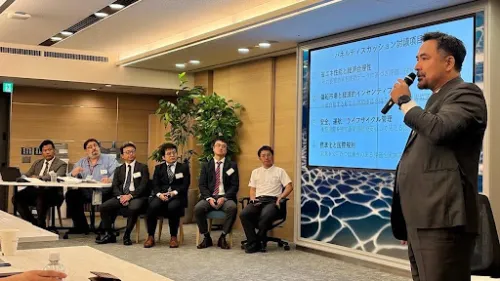
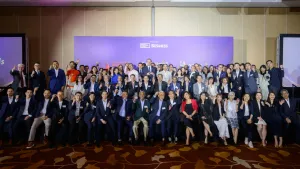
ClassNK held the environmental seminar “Latest Trends and Practical Operation of Wind-Assisted Propulsion Systems” on 23 October, bringing together 160 participants from shipping companies, shipbuilders, marine equipment manufacturers and other organisations.
WAPS harnesses wind power to supplement ship propulsion, helping to reduce fuel consumption and GHG emissions.
Japan's Ministry of Land, Infrastructure, Transport and Tourism presented maritime-sector carbon neutrality trends, whilst the International Windship Association outlined international developments in wind propulsion.
Shipping companies shared their experience with WAPS installation and operation, whilst ClassNK outlined its related activities.
A panel discussion involving five industry experts examined operational challenges, performance evaluation approaches, and the technology's future outlook.
ClassNK and the four sponsoring companies—K LINE, Mitsui O.S.K. Lines (MOL), MOL Techno-Trade, and NYK—said they would continue knowledge-sharing and technical verification to support the safe and effective adoption and operation of WAPS.